Showing posts with label Memories. Show all posts

Thursday, April 5, 2012

8 Scrapbook Journaling Tips


What’s in a scrapbook story?

Journaling in a scrapbook is an excellent way to turn memories into an engaging story that will last forever. To fill out your story, consider using the questions that newspapers answer in their articles:

1. Who?
• Who was involved in the event you are telling about? Be sure to provide first and last names of each person so you can remember them years later.
• Include details: When you describe the people in your photos, your words come alive so your reader can imagine being right there, too.

2. What?
• What is the main event you’re describing?
• Describe what happened in a sequence that gives shape to the story: what were you (or the main characters) doing in the pictures? Go through the events to paint a complete picture of what happened.
• What did you like best about the event?

3. Where?
• Where did the event happen? Give enough details so the reader can picture the setting and share your excitement.
• What was the importance of the location to your story?

4. When?
• When did the event happen? Include details like the time of year, the specific occasion, or which trip/vacation you are showing.
• Don’t assume your readers will know (or you will remember) the timing of the event. Describe it in detail. When something happened may be as important as the event itself.

5. Why?
• Why was this event important to you?
• What did you or others learn from it?
• Explain what the experience meant to you. Did it change the way you/they looked at anything?

Spice Up Your Writing

6. The power of words
Think about how many memories are triggered by the five senses. You may have been on vacation and have some fond memories of the trip. But start remembering the taste of foods you ate, or the smells and sounds of cooking breakfast over a campfire, and you’ll be transported back so that every detail springs to life. Using the right words, you can make stories sound “good enough to eat.”

7. Juicy words
Use juicy(!) words to make the story come alive! There is absolutely nothing wrong with using everyday adjectives like big or little. But sometimes you’ll want to stretch your imagination and come up with more stimulating words like humongous or teensy. Choose descriptive details to make them more interesting. Make each story pop for your readers. Think about the difference between a dull sentence and a juicy sentence in a book or story you like. Which would you rather read?

8. Using the five senses
What do you think about when you smell the aroma of apple pie baking? Does it remind you of Grandma’s house? There are many words related to the five senses that will help you describe those memories and help your reader experience them, too. One easy way to describe things in more detail is to use the five senses for a kick-start.

Sensory words relate to your five senses (smell, taste, sight, touch and hearing) and they can be used throughout your writing. They can be very powerful when you want to describe an event in detail. Remember that you want your readers to “see” (and hear, touch, etc.) what you are telling in words.

For more ideas on preserving your memories, check out my website, where you can sign up for a free monthly newsletter: www.bethlamie.com.

Saturday, November 5, 2011

Shedd Aquarium Visit


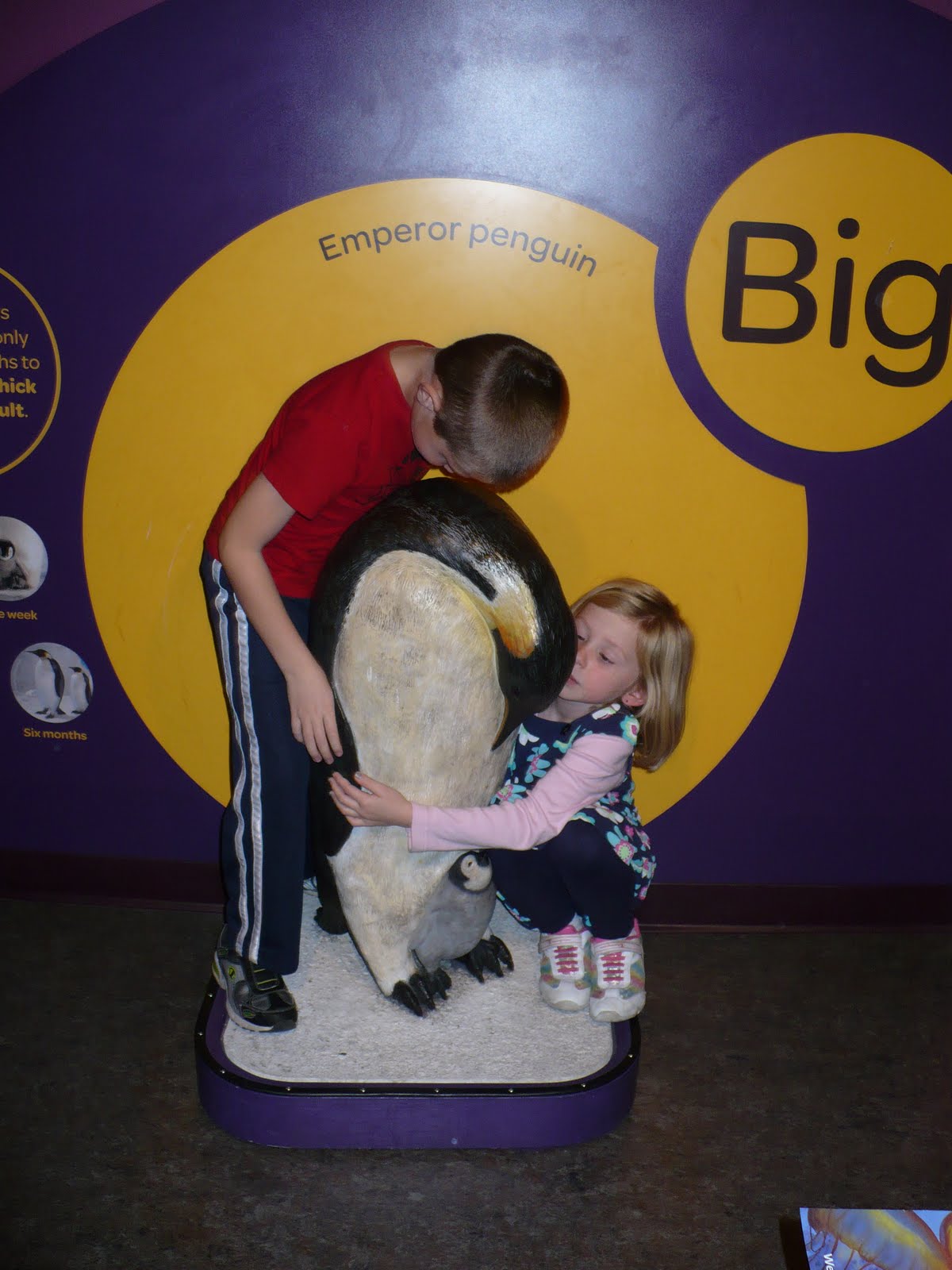
Today was another delightful afternoon to remember along with my other family stories. My son, Jason, and his two kids, Alex and Nicholas, ages 6 and 7 respectively, met me at Shedd Aquarium in downtown Chicago. I hadn’t been there for some eighteen years or so, and it was nice to see how many new exhibits had been created.

Everyone’s favorite was the Caribbean Reef, which is an award-winning 90,000-gallon circular habitat open on all sides to allow patrons to walk around and view the huge variety of fish, including gigantic tarpons, Moray eels, parrotfish, sting rays, manta rays, and many more I don’t know the names of.


At the appointed hour, a docent named Lee arrived and asked the surrounding crowd to step back “five giant steps” to outside the blue circle marked on the floor so everyone could see clearly. Amazingly, everyone complied, which was a pleasant surprise, and we had ideal seats for the entire show.

A diver named Brooks entered the water to feed the sea creatures and interact with them. He stroked the manta rays and turtles as they calmly approached to feed from his hand. Another pleasant surprise was that Lee fielded questions from the crowd and relayed them to Brooks for a response.


Alex, my granddaughter, asked if they remove the stingers from the sting rays. The answer is no, they don’t. However, Brooks said the one ray swimming around without a tail was due to a fish that liked to nibble on its tail, until the tail was finally gone.

Brooks talked about the big green sea turtle named Nickel. He was injured by the motor on a boat and brought to special veterinarians for repair. Severely damaged hind flippers meant he’ll never be released back into the wild, but he’ll always have a good home at Shedd. How did he come by his name? When the doctors took x-rays, they found something stuck in his throat: they removed an old 1975 nickel, so that’s what they called him.

Nicholas liked a huge old lungfish called Granddad. He had black spots all over his long body. According to the Shedd website, “Granddad has lived longer than any fish in any aquarium in the world.” He came from Australia as a mature adult to Shedd for the World’s Fair in 1933!


Some of the other animals we saw were fogs, jellyfish or “jellies”, dolphins, sea otters, penguins, and small turtles.


We all had fun while we learned something new about the sea life all around us. This is one place we’ll need to visit again. There was too much to see in one day, plus the exhibits change on a regular basis.

Have you been to an aquarium recently? If so, what did you like best?

Friday, November 4, 2011

The Temptation of Tulips


Today was a lovely afternoon – one of those perfect autumn days when the sun is shining, the air is crisp, and it just feels good to be alive. Beautiful!

Taking advantage of the weather’s cooperation and some unexpected free time in my schedule, Hubby and I decided to work in the flower bed in front of our house. Well, okay, to be brutally honest, I decided and he reluctantly agreed to help.

Actually, I had to play my trump card to convince him: yesterday was my birthday and Hubby sort of offered to plant tulip bulbs, and three mums. Although I’m not much of a gardener, I do enjoy perennials that come back every year, at least in theory. In particular, my chrysanthemums never seem to survive our Midwest winters very well. But I keep trying!

While planting the mixed-color tulip bulbs, I couldn’t help but think about my mother. She absolutely loved tulips, especially red ones. One fall, she planted some 150 bulbs, half red and half yellow. Mom happened to have a bevy of squirrels in her neighborhood, but they always kept her entertained.

However, the next spring, she was thoroughly disgusted with those squirrels. They managed to dig up and consume every single red tulip bulb. None of the yellow ones, mind you, just the red!

Undaunted, Mom again planted red and yellow bulbs that fall. This time, however, she generously coated each and every one with hot Tobasco sauce. She waited for spring that year in anticipation of a bounty of glorious tulips in both colors.

Every day, she marched outside to watch the tender young tulip leaves poke through the dirt and begin to grow.

Every day, she watched the tiny buds develop.

Every day, she waited with bated breath to see a miniscule hint of color.

Finally, one day she trekked outside to see the tulips had burst into bloom. All yellow!

Philosophically, Mom shrugged her shoulders and said, “Well, I guess the squirrels need some help getting through the winter, too.” After that, every year she continued to plant red and yellow tulips. And every year, the squirrels continued to eat the red ones . . . and frolicked in her yard to say thank you.

So that’s where my thoughts carried me during our afternoon of digging, planting, and watering. It felt as if my mother was working right beside me, even though she’s been gone ten years. As she taught me, I’ll wait in anticipation for spring, when we’ll find out if my mums come back and if our pesky squirrels found the tulip bulbs.

Who knows if they’ll have a preference for our red bulbs, too?

What memories do you have about fall chores? Do they ever make you reminisce about your loved ones?

I’d love to hear about your experiences.

Monday, August 29, 2011

Scan and Digitize Your Books for $1 Each


Sometimes we find something from another website or blog that is just too good to not share with everyone. Here is an article that applies precisely. This could be a major benefit for anyone who is planning to downsize books, photos, etc. My thanks to Dick Eastman for allowing me to pass his article on to you.

The following article is from Eastman's Online Genealogy Newsletter and is copyright by Richard W. Eastman. It is re-published here with the permission of the author. Information about the newsletter is available at http://www.eogn.com.

1DollarScan Newsletter reader "Stony" Stonebraker wrote to tell of a new scanning service that is available. I read about the new service and became enthused. I write about a lot of services and products in this newsletter, but this is one I think I will use frequently!

I have been scanning genealogy books in preparation for "downsizing" someday. As I move closer to retirement, I realize that I will someday move to smaller living quarters without room for all the books and magazines I have accumulated. I won't have room for the required bookshelves. The answer seems obvious: digitize them! Thousands of books can be stored in a very small computer or in a tablet computer or even a flash drive.

The problem is that my progress to date has been slow. Scanning a book is a tedious process, and I haven't completed the scanning of very many books. Now a new online service promises to do the job for me at a modest price: one dollar per 100-page book. The same service will also scan documents, photographs, business cards, and even the old greeting cards from relatives I have been saving all these years.

1DollarScan is the U.S. division of a company called Bookscan that has been in business for a few years and now does several million dollars of business per year in Japan.

Anyone can use 1DollarScan by filling out an online order form and then shipping the books or other materials to 1DollarScan's offices in San Jose, California. The company scans them and converts them into PDF files and also performs OCR (optical character recognition) to create a text layer behind the images to make the text searchable and selectable. The PDF files and text files can be sent to the customer by download or on DVD disks. The PDF files can be read on:

Any Windows, Macintosh, or Linux computer
Apple iPad, iPad2, iPhone3G, iPhone3GS, iPhone4, iPod touch
HTC Desire, HTC DesireHD, Xperia
GALAXY S, GALAXY Tab
Amazon Kindle3 (coming soon)
SONY Reader PRS-650 (coming soon)
Barnes & Noble Nook (coming soon)
All Android phones, All Android Tabs
And probably all future computers and ebook readers as well

PDF is a standard that probably will be around for many years. When a better format becomes widely available, conversion programs undoubtedly will be available to easily convert the PDF files to whatever format becomes popular in the future.

After the materials are scanned and the electronic images are returned to the customer, the original paper documents may either be returned (the customer pays the shipping charges) or sent to a recycling service to be shredded and reborn as recycled paper. Obviously, none of us will be sending family heirloom photos to be recycled! However, this is a great method of recycling all the less-valuable books and magazines I have accumulated over the years. I bet I have 200 pounds of them and I certainly can't keep them all when I "downsize my living space."

Once the materials have been scanned and the electronic files sent, the customer manages all future storage as he or she sees fit. In my case, I will make multiple backups and will make sure the backups are stored in several different locations for safe keeping. I will use the L.O.C.K.S.S. method (Lots Of Copies Keeps Stuff Safe.) Luckily, this is easy to do and the online storage expenses are far cheaper than paying for a larger home to store all the physical books.

Prices for the scanning service seem reasonable:

Books: $1 for 100 pages (so scanning a 300-page book will cost $3)
Documents: $1 for 10 pages
Business cards: $1 for 10 cards
Photographs: $1 for 10 photos
Greeting cards: $1 per card

1DollarScan promises that future services will include saving all scanned materials directly to a shared Dropbox folder with no CD or DVD disks required. 1DollarScan will scan the books, perform the OCR text conversion, and the customer will receive electronic copies within minutes.

The company is also promising a future service of shipments directly from Amazon.com. You will be able to buy a book on Amazon.com and specify it be shipped directly to 1DollarScan. The company will then scan the book, send the electronic version to you, and dispose of the paper copy as you specify.

I'd suggest this is a great service for genealogists and for many others as well. I won't use it for scanning everything I plan to digitize, but I do hope to send most of the "tedious" scanning to 1DollarScan. I still plan to scan my fragile materials and valuable items myself.

You can learn more about 1DollarScan's services at http://1dollarscan.com.

My thanks to newsletter reader "Stony" Stonebraker for telling me about 1DollarScan.

Tuesday, November 23, 2010

Thanksgiving Fun – 6 Ways to Stimulate Family Stories at Holiday Gatherings


November is National Family Stories Month. Together with Thanksgiving, it is the perfect time to reminisce about our blessings and consider what and who we are thankful for. In addition to recalling our gratitude, it is heartwarming to share those thoughts with our loved ones. They need to know how much we appreciate them.

To encourage everyone to get into the act, take time to plan some fun activities for your next holiday gathering with friends and family. Whether you have a small group or a large one, everyone loves to hear a good story. From the youngest and to the oldest members of the assemblage can participate when you use simple memory prompts to get people thinking – and sharing.

The challenge is to capture all those great family stories before they are lost. One easy way to save them is by using a recorder, whether it is cassette tape, digital audio or video. If the recording device has a USB connector, you can easily transfer the information to a computer and/or create a CD or DVD to share with others. Best of all, have fun and really get to know each other!

As you make the final preparations for Thanksgiving over the next few days, think about ways to get people started talking about those precious family stories. WARNING: Consider the best time to start these exercises. If your family is like mine, right before you eat dinner is probably NOT the right time: the guests may not have the patience on empty stomachs to listen to everyone’s stories. A better time could be after the meal is finished, perhaps while you are letting your food “settle” before tackling the pumpkin pie and other delectable desserts.

Here are some simple story prompts to help people recall their memories in fun ways:

1. I am thankful for …
This is probably the most common Thanksgiving activity, as each person takes a turn to describe who or what they are thankful for. It is an easy icebreaker, but it may help to give an example or two to get people in the mood to participate. If someone can’t think of anything, offer to let them pass until later, or give them another question.

2. What I like best about Thanksgiving is …
Responses to this question may range from visiting with relatives from near or far away, from favorite foods to football games, from nature walks to afternoon naps, from yummy desserts to plentiful leftovers. Each person may relate to something unique to them.

3. I felt special when …
This memory prompt is a little more revealing than some of the others. If the speaker gives a short answer, ask for more details about the recollection. If they never felt special, remind them of a time when you thought they were special. You may surprise them with your own memories about them.

4. Draw from the hat
Here’s your chance to get really creative. Write a variety of questions onto small slips of paper and put them into a hat or bowl or basket. You can customize the questions to fit your own family or group of friends, mixing serious questions with silly ones. Be prepared to allow guests to switch the question if they are embarrassed or reluctant to answer. Remember that the purpose of the questions is to learn more about them while having fun with everyone.

5. Photo albums
Pull out your old family photo albums. Let each person find a picture of themselves and describe the occasion, including who, what, where, when and why. This is a great learning experience, especially for younger family members who may not know many of the old family stories.

6. Cherished heirlooms
Most families have some cherished heirlooms or stories that have been around for many years. Think about things like hand-made ornaments, sentimental trinkets, an old quilt, a child’s rocker, or anything else that makes you recall a loved one. Move one of your favorite items into the room, or take a photo of several of them if they are not on the premises. Ask your most knowledgeable guests to talk about the origin of the item, especially where it came from and why it is special to your family.

7. Thanksgiving Keepsake for Kids
Here is a simple activity to keep children occupied either before or after dinner. Kids as young as four can draw pictures; they can also talk about their own impressions about the big holiday gathering. This free template is available on my website, but you can easily make your own version to get all the children involved. The great thing is that they can create their own keepsake to help them remember time spent with their loved ones.

Thursday, November 11, 2010

Batting an Eye

By fourth grade, I discovered I had no natural athletic ability. That was a shame, because I loved to watch my older sisters and the kids in the neighborhood play baseball. As much as I begged, pleaded and cajoled them, no one ever wanted me on their teams.

Okay, so I couldn’t hit the ball, catch or throw, but I could run like the wind – at least in my own mind. What no one realized at the time was that I had no depth perception. That quirk turned out to be due to something called amblyopia, or “lazy eye.” My right eye was dominant and I never “learned” how to judge how far away objects were.

Mom took me to the eye doctor’s office every year for new glasses that just kept getting stronger and stronger (think Coke-bottle glasses), but I still couldn’t see very well. Eventually, she took me to eye specialists all the way up in Chicago. Looking back, the amazing thing is that my gutsy mother had never driven in a big city before. She managed to overcome her own fears and take me for monthly office visits for several years.

On the very first visit to the specialist, they discovered the amblyopia, but also that I was near-sighted in one eye, far-sighted in the other and cross-eyed to boot. As a kid I called it “cross-sighted,” because it somehow sounded more poetic to say “near-sighted, far-sighted and cross-sighted.”

Correcting this eye condition is more successful at younger ages. At the grand old age of ten, I was past the threshold of where treatment would definitely help. But they tried. That first day, I had to start wearing an ugly black patch (like a pirate) over my good eye. The theory was to force the weaker eye to do all the work. My vision was so bad that at dinner that night when we had peas (which I loved), I couldn’t keep them on my fork to get to my mouth. Finally, in frustration, Mom let me use a spoon.

Eventually, I used a flesh-colored adhesive eye patch, which was slightly less noticeable, followed later by eye drops to blur my good eye. Over the next couple of years, my vision improved marginally, but not enough to do much good or last permanently.

So now, many years later, how is it? Well, I do drive the car, but when I hear a crash, I know I’ve gotten too close. (Just kidding!) Actually, I tend to over-compensate for the lack of depth perception and allow p-l-e-n-t-y of extra room for passing and parking. I just have to drive forward and backward more times than most people to get into a parallel parking space. Thank Goodness for diagonal parking.

After all these years, what stands out most about this experience while growing up? It has to be the gratitude I feel because my parents made the sacrifice to get me the best medical care they could find. Considering we had seven kids at home, that was no easy task. After all, both time and money were in short supply.

So what was the final impact on my fledgling baseball career? Well, they finally let me play, as long as I was the catcher. Ha! What a joke on me that turned out to be. It seemed like every year I ended up getting hit in the head with a baseball bat for standing too close to home plate. Sure, it might have broken my glasses, but at least I got to play!

Help your children save their memories with my FREE Thanksgiving Keepsake for Kids.

Friday, October 8, 2010

Harvest Season


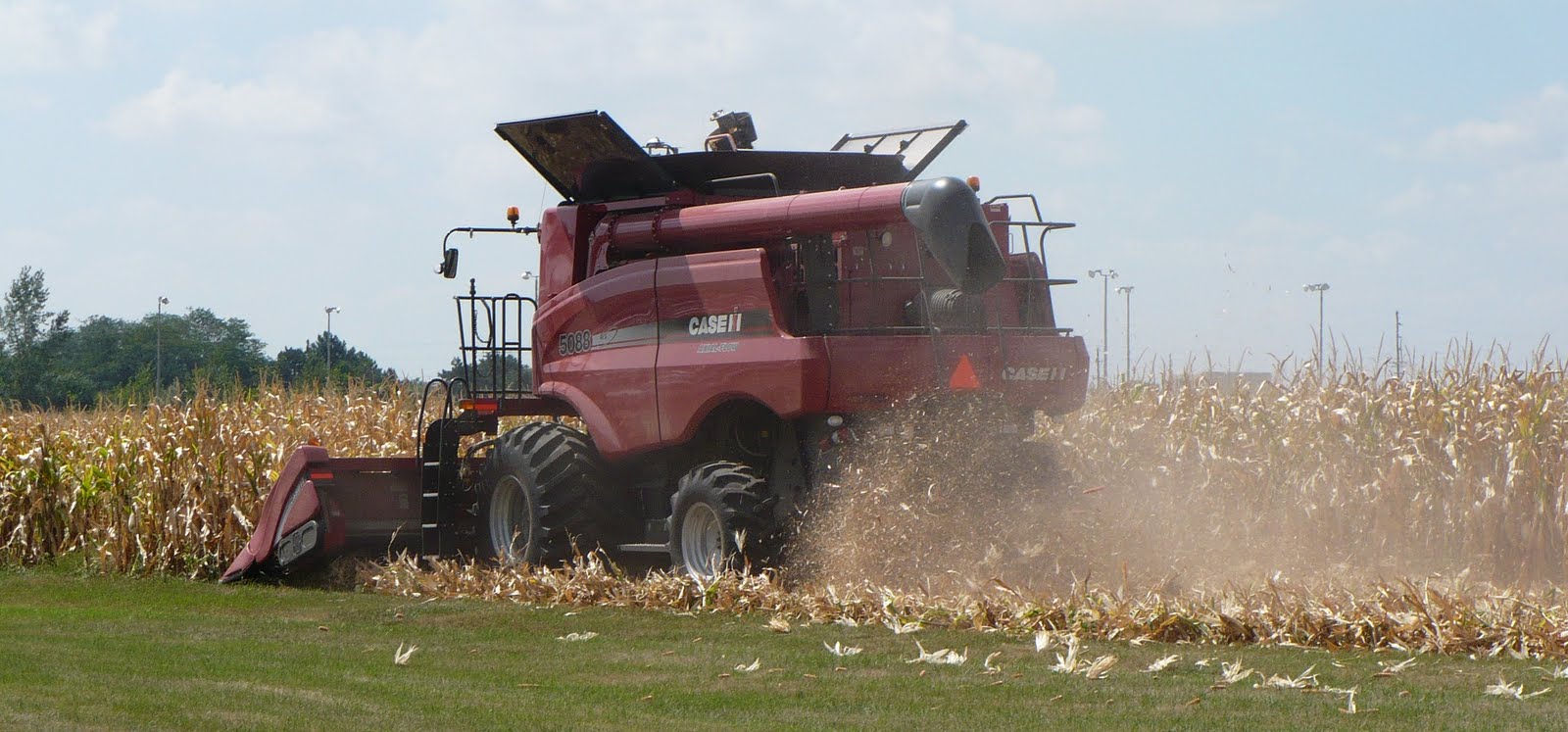
Harvest at the Splear Farm 2010

The fall season has always been my favorite: kids returning to school, cheering for the home team at football games, “leaf peeping” as the trees miraculously transform from boring greens to glorious autumn colors, and watching the harvest progress from field to field, restoring the wide open spaces to the land I love.

Once the harvest is complete, we’ll be able to once again enjoy an unobstructed view from horizon to horizon, some ten miles or more in each direction. This is God’s Country and, for me, the best place on earth to live, in spite of all the dirt, grime and grunge involved in the harvest.

I was raised on a fifty-acre farm just outside a small town in central Illinois (the Prairie State). Dad worked long hours as a welder in a factory, plus he farmed corn or beans in his “spare” time. We lived ten miles from a community of about 30,000 and some sixty miles from Chicago, in the middle of the grain heartland.

In my mind, it was the perfect place to raise a large family. We had the best of both worlds: a wholesome country lifestyle with a strong sense of community and all the urban benefits of good schools and plenty of cultural activities to keep seven kids challenged and out of trouble.

When I was a teenager and brought dinner out to Dad in the field during harvest, I was struck by all the physical sensations that assaulted me. During this time of year, when I watch the huge combines run through the fields, those memories are especially vivid in my mind. Here is a more fanciful version of what I remember experiencing as a kid:

The behemoth rolls through the tawny gold field, devouring everything in its ponderous path, spewing out an enormous horizontal whirlwind of chaff, dirt and stalks behind it. Slowly, inexorably, it consumes dozens of rows at a time, cutting a swath through stems bursting with soybean pods. In one fell swoop, the machine separates the precious beans from pods and stems, storing them temporarily in its enormous belly.

I stand beside the tractor, waiting for the monster to disgorge its contents into the first grain wagon. The noise is deafening, even though I try to block my ears. As bad as the noise is, the grit is even worse. The handkerchief tied across my mouth and nose does essentially nothing to keep the fine grit from permeating my mouth, my nostrils, my throat, my lungs, and even my ears.

By the end of the long day, I will feel as if the grit has invaded clear to my eye sockets through every pore of my body. The combination of taste, smell and grubbiness of the grit lingers for days after the harvest is completed, in spite of long, hot showers. I struggle to hold back the inevitable coughing fit, at least until the monster moves past me to the second wagon. Sometimes I even succeed, but barely.


Today, almost 50 years later, there is still a lot of grit, dirt, and chaff thrown out from the combine, but most machines now have enclosed cabs that are climate-controlled. While a side benefit is the comfort of the driver, more importantly it protects the sensitive GPS and other electronic equipment typically installed to monitor crops.

As advanced as farming technology has become, unfortunate accidents continue to happen. Late one autumn evening, I was heading home from a town about eighty miles away, driving through the country. Noticing a warm red glow in the distance, I thought to myself, “What a glorious sunset we’ll have tonight.” My stomach lurched when I realized the radiance was coming from the east. As I drove closer, it became apparent that the source was from a corn field that was on fire.

Lord willing, I will never see such a fearsome sight again. Flames shot into the air, surrounded by huge clouds of acrid, billowing smoke. The farmer scrambled ineffectively to create a fire break with a field cultivator, while the lone fire truck did its best to slow down the marching blaze. Continuing on toward home, I met several more pumper trucks arriving. They did not save much of that particular 160 acre field, but they were able to keep it from spreading to the surrounding fields and homes.

The next time you see a piece of farm equipment working in a field (or perhaps slowing you down on a country road), wave to them in appreciation of their dedication to put food on our tables. You’ll find they almost always wave back, with a smile on their grubby faces.

Do you have a favorite Fall or harvest memory? I'd love to hear it!

Friday, June 11, 2010

Memorial Day Musings

The approach of Memorial Day earlier this year made me think about some of my friends and family members who have passed away. The pain of their loss may never go away completely, but it has lessened over time.

One of the ways I dealt with the sudden loss of my mother several years ago was by writing a letter to tell her all the heartfelt things I didn’t have a chance to tell her in person. In fact, I wrote for hours that first night, often crying so hard that tears smeared the pages.

I told her how deeply saddened I was that I didn’t have a chance to tell her goodbye and how much I missed her. After a few sessions of cathartic writing, I was able to finally turn to a more joyous topic: how grateful I was to have her for my mother.

Mom taught me many of the important things in life, such as faith, love, family, honesty, respect and responsibility. I started writing vignettes about memories from my childhood and I found a sense of peace as I experienced what I can only describe as a starburst effect.

As I recalled the details of a single, simple family event (such as my 8th-grade graduation) it pointed me to stories about favorite family recipes (such as sour cream chocolate cake) that in turn made me recall summer activities (such as our huge vegetable garden and preparing projects for the county fair). If you envision the sky on the 4th of July, when the fireworks display amazes us with a burst of color and lights followed by another and then another, you’ll see a starburst effect.

Each little story made me think about another one and I began to jot down story ideas in a pretty little spiral-bound writing journal that I carried with me at all times. Every time the cobwebs in my mind cleared enough to reveal a potential topic for future development, I wrote it down in my journal. My hope was to use the snippets of memories to expand into a full story as time allowed.

So what’s the point of this rambling for you?

1 - If you’ve lost someone dear to you, try writing to them or about them. Enjoy all the old memories you can recall to save for yourself, as well as for your friends and family. As a Personal Historian, I am always excited and pleased to help people save their family stories, whether I write for them or teach them how to write their own.

2 - Think about the people around you and let them know how much you appreciate them while you still can. Tell them you love them and what you admire about them. Write them a little note to thank them for something, even if it is small. Consider this: if they were suddenly gone from your life, what would you have wanted them to know? Make an effort to show them how much they matter to you.

3 - Start keeping your own writing journal. It doesn’t have to be anything fancy, just a simple notebook, tablet or sheaf of paper where you can jot down images that you recall and stories that you can pursue later.

4 - Years ago, I sent a letter to my great aunt and told her how much I appreciated her seeing me as a young lady when I was a terrible tomboy. My intention was to drive up to see her so we could talk about all the little things she had done for me. Unfortunately, she died before I could make the trip. I was so glad I didn’t put off sending that letter.

5 - Moral of the story: Don’t wait until it is too late to tell someone how much they mean to you. You never know when you will lose someone dear and you don’t want to regret the omission.

Go ahead, make their day – tell someone you love them.

Better yet, write it down so they can refer to it time and again.

Monday, January 18, 2010

Interview on Children Author Show


You can listen to a fun interview about my book. Now Playing at www.TheChildrenAuthorsShow.com : Interview with Beth LaMie about Grannys Guide To Fun and Fabulous Family Stories.

One of the surreal aspects was that usually I do the interviewing, so this was a rather unusual experience for me. Don McCauley of the Author Show was very pleasant during the interview and easy to converse with.

My hope is that more people will hear about my book, website, newsletter and blog. It is very exciting when someone contacts me about my work.

SO the question is, "What is your most vivid memory about growing up?" Feel free to comment below and have fun saving your family stories.

Monday, November 23, 2009

Thanksgiving Fun

This week is the perfect time to work with children and grandkids about what they remember and like best about Thanksgiving. One family custom we enjoy is to go around the dinner table and have everyone tell what they are most grateful for this year. Even young children catch on quickly to the idea.

Preserving Thanksgiving stories is easy with the use of my simple Keepsake for Kids ebook, which is available at no cost on my website, www.bethlamie.com in the Products tab. Kids can write their own responses to the prompts or work with an adult. Then they can either draw something about what they remember or attach a photograph.

Thursday, September 10, 2009

4 Steps to Super Stories from Food & Family

Many of my most vivid memories relate to food. I loved all the family gatherings when I was a kid. With six brothers and sisters, grandparents, aunts, uncles and cousins all living in a relatively small area, we seemed to get together every week. If the occasion was not for a complete meal, then there had to be “lunch” served with coffee and a variety of scrumptious sweets. I dearly loved sitting quietly nearby so I could hear everyone talk and tell their stories.

To this day, I can’t see or smell cinnamon rolls without thinking of Mom and all her delicious baked goods. Grandma always kept a clear glass container like a huge brandy snifter in the center of her table, filled to the brim with several kinds of homemade cookies. Whenever she felt we didn’t eat the cookies quickly enough, she topped all of them with chocolate icing.

Connected with those fabulous food memories are the memorable family stories that were told and retold. I never tired of hearing favorite stories from bygone days. Food is one great way to open up a treasure chest of memories.

1. Get the stories behind the food

What do you think of when asked about your favorite food? Is it something that your grandmother made, like apple crisp? Or is it your Uncle Pete’s awesome barbecued ribs? Or how about your neighbor’s chocolate fudge? Or is it something you make yourself, like a peanut butter, jelly and banana sandwich? One of my own family favorites is fresh lemon meringue pie, which Mom made better than anyone else.

Whatever it is, everyone has favorite foods. Many of these foods make us think of when we were younger. But did you ever wonder about the stories behind the food? Who came up with the original recipe for apple crisp? And who on earth decided to add raisins or nuts to it? You can get some wonderful stories when you ask the cooks questions like these.

2. Use the power of food to recall memories

Food can be a powerful trigger to help you recall memories. If someone mentions pumpkin pie, do you think of Thanksgiving dinner? Do gingerbread cookies remind you of Christmas? Do hard-boiled eggs lead to thoughts of Easter? Whenever I see pecan pie, I always think about shelling pecans by the bushel (it sure seemed like a bushel, anyway) so we’d have pecans all winter.

You can use food to remind your family circle of stories you want to hear. One idea is to throw a cookie baking party. Everyone has fun, you get to make cookies (or pizza, or pretzels, or whatever you like best) and you dig up stories from the past. Best of all, you get to enjoy your favorite foods and favorite people at the same time.

Whenever people get together, they like to talk and tell stories. You will have a chance to ask questions like the ones at the end of this book. And you can make up your own questions, too. Just remember to either write down what people say or use a recorder to capture it. That’s a whole lot easier than trying to remember all the details later.

3. Use family gatherings for more story-telling

Any gathering of your friends and family is a great chance to capture more stories. Many times, this is a fun opportunity for group discussions. Getting people to talk about their favorite foods will always lead to good memories. Ask about the first time Aunt Alice made a favorite recipe like macaroni and cheese and burned it. Where did she learn how to fix it? Some families may have their own idea of what a dish should be like. For example, one family may like macaroni and cheese from the blue box, but another family might be disappointed if they didn’t get it homemade from scratch with three kinds of cheese. They’re all keys to opening up those memories.

4. Combine family stories and recipes

One way to capture family stories and recipes is to make a little cookbook of your favorite foods. Then you can add stories to go along with the recipes. It is fun to show the original recipe and who made it. Then show any changes that other people made to it.

To get stories from your family circle, you can ask each of them to write down their favorite recipe onto a card. Make sure they include the directions as well. On the other side of the recipe card, ask them to write a few notes about where the original recipe came from. They might also like to give you a photo of the food or the original cook.

Friday, September 4, 2009

Whose View Is True?

Sarah commented about stories that conflict with historical events and she is exactly right. Personal stories are basically true, even when a few facts get jumbled. We need to keep in mind that the version of the story we are hearing (or telling) is one person's perception of what happened.

Any police officer can tell you how a room full of potential witnesses all see a slightly (or hugely) different view of what happened. With my six brothers and sisters, we all remember events just a bit differently. Rather than causing conflict, I like to think of it as seeing the world thru multiple lenses. Of course, that doesn't help at all in the courtroom.

One person may view the world with rose-colored glasses, while others see the glass as half full or half empty. Regardless of the bare facts, passing time tends to fade our memories. That's when a little research can help to fill in the gaps and put things into a more realistic perspective.

Sunday, August 23, 2009

Time Line for Personal Histories

Often when I start a personal history for a client, I create a simple timeline of their lives so I can relate their experiences to external events that have helped shape them. In fact, since I started writing personal histories, I've learned more about history & world events in general than I ever learned in school. I guess that personal connection makes all the history seem more real and significant.

Think about some of the elders in your group of friends and family. If they are old enough to have experienced WWI, the Great Depression, WWII and the atomic bomb, you can get some fabulous stories from them.

One of my dearest relatives has Alzheimer's disease, but I recently had an amazing conversation with her. She was "living" in the past almost 50 years ago. As I gently asked her questions about how she met her husband and the wedding dances they used to attend, I saw a side of her I had never seen before. She even giggled(!) when she said, "...then he came right over and asked ME to dance, instead of Rosie." It was a thrill to see her relive that experience.

So make it a point to go see an old friend or relative and ask them questions about what they remember. Don't wait too long, though. Our precious older generation is quickly fading away.

Tuesday, August 11, 2009

Quick & Easy Scrapless Scrapping

Patty asked "Is there some sort of shortcut for those of us who don't need another 10 hour a week hobbby?" and that is a valid concern. She is absolutely right that getting into scrapbooking can be quite time- and money-consuming. But there are other ideas that you might try as well.

One quick idea is to get a photo album that has sleeves for pictures. Just slip in a group of photos and intersperse them with a few mementoes (such as ticket stubs, flyers, postcards, etc.) and/or journaling, either hand written or printed on your computer. The journaling doesn't have to be elaborate, but jotting down a few details will provide reminders so everyone can enjoy the event again at a later date.

That gives you a relatively fast & easy way to preserve your memories without spending a great deal of time or effort. Please let me know if that seems feasible for you.

Thursday, August 6, 2009

Gifts for the Elderly

A friend asked me today for gift ideas for her grandmother's 90th birthday. Most elderly people don't need any more "stuff" but they'd appreciate knowing how they made a difference in someone's life.

Here are some simple ideas to get you started on thinking "outside the box" when it comes to gift giving:
1. Write a little story with a few memories of things you have done together.
2. Create your own greeting card with your own thoughts & words, with a favorite photo.
3. If you have time, you can make a scrapbook page with photos & some journaling, then frame it for them to keep.
4. Make a favorite recipe from your childhood, such as strawberry pie or chocolate chip cookies.
5. When you take them the gift, spend some time reminiscing about family get-togethers and the events you remember.
6. If you can't spend time with them on their birthday, then please call them. Too often our loved ones sit and wait for us to stop by or call. Go ahead - make their day (and yours, too!) by talking with them often.

EASY FRESH STRAWBERRY PIE

1 Cup Water
3 Tablespoons Cornstarch
1 Cup Sugar
4 Tablespoon Strawberry Gelatin (or one package Sugar-Free)
2-3 drops Red Food Coloring
1 Pint Strawberries
1 baked Pie Shell
Cool Whip, if desired

Cook first 5 ingredients until thickened, then cool.

Wash & hull berries and fold into cooled Glaze.

Pour into cooled Pie Crust.

Serve with Cool Whip, if desired.

8 Servings

Monday, July 20, 2009

Bugged by Mosquitoes

Arwen Mosher wrote a blog today that resonated for me about another common summertime pest. You can read it here at http://tinyurl.com/ncaeff.

I understand completely about how irritating it is to be among the favored food groups for mosquitoes. I have found two things that help, if you can apply them shortly after getting bit. 1) Cortizone-10 Ointment or another anti-itch remedy helps a lot and 2) MSG applied to a moistened bite also helps. Normally, I keep the Cortizone in my purse at all times & apply it right away.

Unfortunately, I dashed out for just a minute the other evening to get the mail & got sidetracked by a neighbor with a brand new baby. Of course I was thrilled to chat with them, but not to become a mosquito magnet. So I ended up with half a dozen welts that didn't respond to my usual treatment. Now I have ugly scabs up & down my legs that remind me of my childhood. As a tomboy, I always seemed to have scratches, scars & scabs decorating my arms & legs.

Those are the types of memories that linger long after we have grown up. I encourage people to capture all those memories by either writing or recording them. They become precious stories to pass on to your families. Please see my website for easy ways to get started.

Beth

Wednesday, July 1, 2009

How to Start Your Own Family Stories

When you start working on your own family stories, I do strongly recommend getting a digital recorder, which is small, unobtrusive & fairly inexpensive. I use a Sony ICD-P520, which is less than $50 on Amazon.com. Another nice feature is that you can use the USB to load it to your computer and create CDs. Once you have a recording, you can also transcribe it into a Word document.

If you want to capture stories and folklore from the elderly, I urge you to start right away. You never know when they (or perhaps just their minds) may be suddenly taken away. Whenever you get a group of people together, encourage them to talk about their experiences. If possible, record them talking, but if not, then take notes to expand later.

Keep a writing journal to remind yourself of stories you want them to talk about, or events you recall yourself. Use photos & memorabilia to help them reminisce. That often has a starburst effect - one memory leads to three others and each of them to several more. It is a wonderful way to keep expanding their legacy.

Here are some of my favorite websites to help you get started. And of course, my book has some excellent ideas on how to capture your family stories. ;-)

Website Resources for Family Historians:

About.com Genealogy website has a list of 50 questions to help on interviews.
www.genealogy.about.com/cs/oralhistory/a/interview.htm

Ancestry.com. This website says, “Feel free to print and distribute” a Script for Video or Audio Interviews with Family Members. www.rootsweb.ancestry.com/~lineage/famhist.htm

Author’s website, where you can sign up for a free monthly newsletter (via email) with tips on writing family history.
www.bethlamie.com

Association of Personal Historians (APH), which offers an anthology of personal stories.
www.personalhistorians.org/

CookbookPeople.com. Software & Blog to create and print a family cookbook at home.
www.cookbookpeople.com

Cute PDF.com. Download free software so you can share a document as a PDF file without anyone else modifying it. You use it like another printer, then provide the name and location for the file to save.
www.cutePDF.com

Cyndi’s List.com. More than 200,000 website links to help with genealogy and family history.
www.cyndislist.com/

Dr. Wicked.com. This simple-to-use website can help when you want to concentrate on a writing exercise. www.lab.drwicked.com/writeordie.html

Grandparents TLC.com. This site offers “Technology to Help Loving Grandparents Connect with Grandchildren!”
www.grandparentstlc.com/blog/

Smithsonian Institute. This booklet in PDF format explains how to get started with interviews, sample questions and additional resources.
www.Folklife.SI.edu/Resources/pdf/InterviewingGuide.pdf

Story of My Life.com. Free private website to easily gather all your family stories from friends and family and invite participation from around the world.
www.storyofmylife.com

Friday, June 19, 2009

Love for Father's Day

So often, we don't remember to tell our loved ones how much they mean to us. That is one of the reasons that I am so passionate about getting people to capture their family stories. Not only are they wonderful to record for future generations, they are fabulous for the people around.

In fact, just one little story would make a wonderful gift to our fathers as a tribute on his special day. Make Father's Day more personal by writing your own story or card. You don't need to buy an expensive card when you want to show your love.

Does your father (or grandfather or brother, etc., you pick) know how much you appreciated his help when you were young? Did he work two jobs to allow you to go to college? Did he happen to get a lot smarter as you grew up from your teen years when you knew everything?

If that person is still around today, you can repay some of his kindness and dedication to you by actually telling or showing him how much he means to you. If they are gone already, then you can write a short story about what they meant to you. Either way, Father's Day is a wonderful opportunity to show you cared.

For more ideas on showing love, check out Patty Newbold's blog at www.assumelove.com.

Tuesday, January 13, 2009

Your Own Family Stories

Okay, this is the year when you are finally going to write down all of those charming family stories you want to capture for posterity. But how do you start? Do you start when you were born, or do you start with something big & dramatic, or do you start with something more recent?

Good questions, but the most important thing is to just get started. You know, like the Nike commercial: Just Do It!

Grab a spiral-bound notebook or stack of paper and Voila! you have your own writing journal. Carry it with you so that when a memory pops into your mind, you can jot it down to develop later. Even if you do most of your memoir writing on a computer, using a writing journal will be useful any time you have a few minutes to kill while waiting for the kids to get out of dance class, or at the dentist, or all the other places you get stuck for any length of time. Use that time to get started on your own story.

Start with one of your own special memories and write down all the details you can remember. Think of the typical "who, what, where, when & why" questions that newspapers answer so well. In addition, think about how you felt about the event you are capturing.

So, remember: the most important thing about writing your life story is to just do it!

Sunday, January 4, 2009

Sweet Bedtime Stories

My grandson is four and a half years old. He loves to have me lay down with him at bedtime, almost as much as I love it. When his family was here over Christmas, I was elated to put him to bed. In addition to singing the usual songs and rubbing his little tummy and back, I started a new tradition.

I reminded him about all the fun things we had done during the day and then told him stories about what I did at Christmas when I was a child. He seemed to enjoy the stories and asked a few questions about them, so I definitely plan to do it again.

When my grandson is a bit older, I will also start working with him to write down our little adventures. Whenever we read the stories together, I hope he will become even more interested in creating more memories to capture.

What do you remember about your parents and grandparents? How do you build memories with your kids and grandkids? How do you preserve those memories?